CTL – Spring 2026 Newsletter

Greetings Colleagues!
Welcome to the Spring 2026 issue of the Center for Teaching and Learning newsletter. Professional development programming for the spring semester is set! We continue with our theme, “Reflecting,” a chance to pause, share, and grow together in our teaching and learning methods.
As we reach the fifth week of the spring semester, we remain engaged in meaningful conversations and committed to continuous growth in teaching and learning. CTL supports your professional development by providing opportunities for reflection and connection throughout the semester.
We wish you a productive semester!
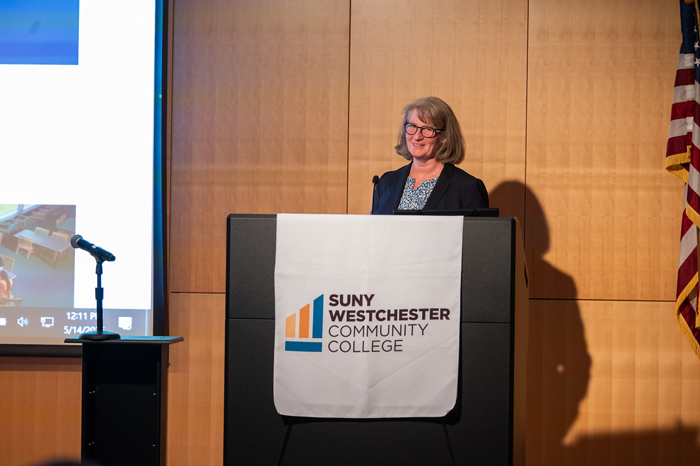
I cannot remember any semester in which such significant forces were concurrently impacting teaching and learning. The Center for Teaching and Learning continue to meet these challenges with leadership and conviction, offering workshops, guidance, and opportunities to engage and learn with each other. One of the greatest assets of SUNY WCC is our faculty leadership. We have so much expertise throughout the faculty and creating a community network which allows that expertise to be shared in our north star. Thank you all for engaging with the Center for Teaching and Learning and thank you to the CTL Co-directors for building a community in which our collective knowledge is valued and shared. We look forward to participating in the engaging professional development workshops, including the annual Teaching and Learning Symposium in May. Have a great semester!
Vanessa Morest
Vice President of Academic Affairs and Provost
Contributors:
Building on the Provost’s message and our shared commitment to professional development and community, we are excited to feature meaningful reflections from faculty who share best practices and offer insights and strategies to support continuous growth and enrich teaching and learning across our campus community.
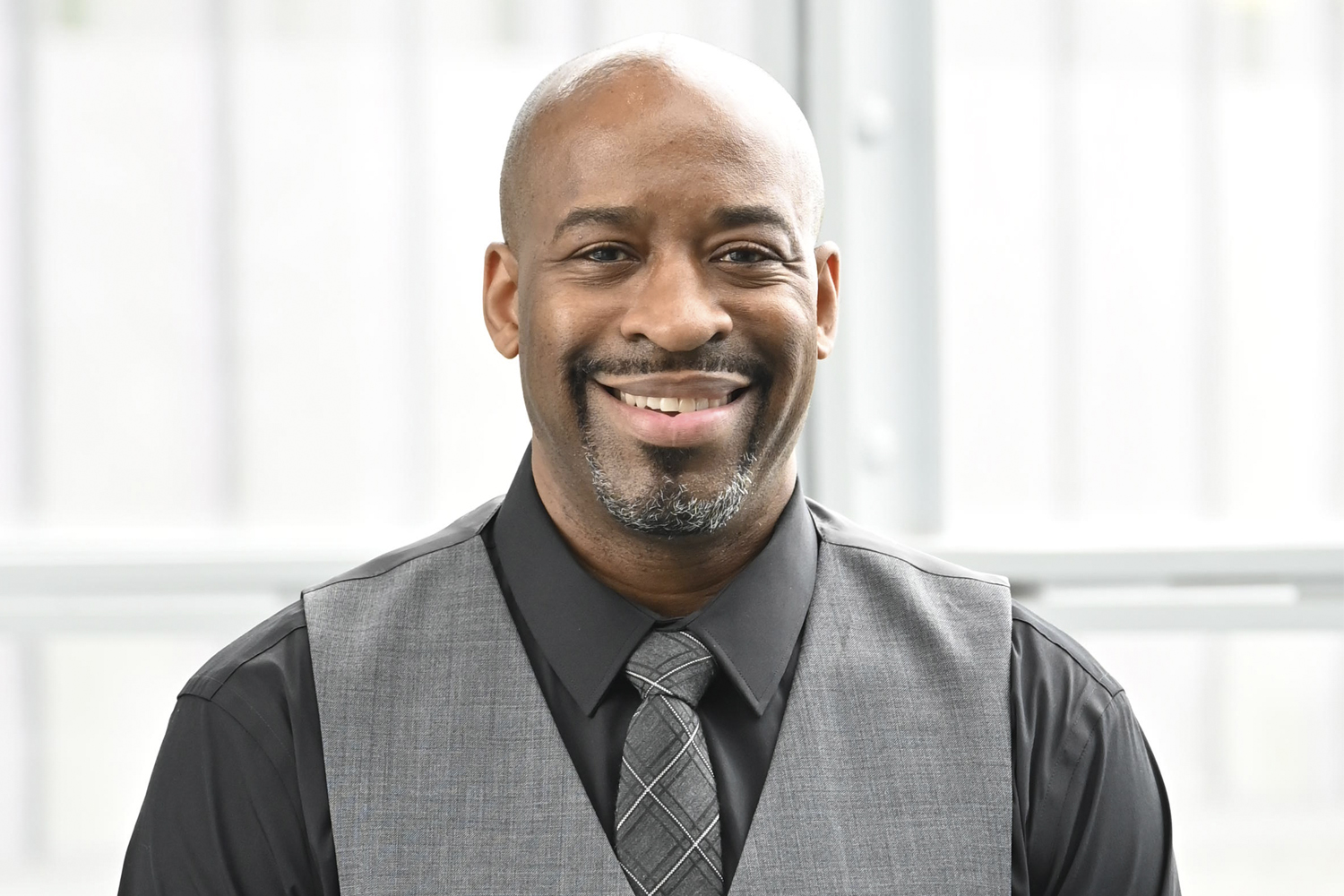
I sometimes realize it can be difficult for some students to apply the theory of breathing in real world situations. In my 15 years as a respiratory therapist working in a level one trauma center, I have seen my share of critical situations, and though my experience is a valuable component that I bring to the classroom, the ability for students to tie it all together during clinical, laboratory, and didactic learning can make the difference between life and death for the patients we care for.
Now for years the creation of medical simulation laboratories has provided an improvement to this issue, but most educational institutions do not have the funding to build these very expensive facilities, let alone the experts to run them. Connecting the dots between psychomotor skills and cognitive assessment has been very perplexing to say the least. Recreating or replicating these emergent settings sometimes lacks the urgency of the moment, which the student often needs to generate the confidence to act appropriately. Within the last few years, I have encountered computer-based software that helps to bridge that gap but there is one I feel provides value inside and outside the classroom.
Classmate “The Teachers Toolbox” is a computer-based software that allows students to simulate real-life clinical scenarios that provide immediate feedback, reinforcement, and testing on a step-by-step basis. Classmate provides students with real life pathologies and provides the student with time to retrieve pertinent information (subjective and objective) and allows for assessing of the data to ultimately implement your plan. As the professor, assignments can be adjusted by severity, pathology, respiratory modality, and other important classifications. Students receive moment-to-moment feedback and explanation to incorrect choices, as the software audibly provides in-depth interpretations to the students.
I have realized that using Classmate “The Teachers Toolbox” in conjunction with teaching, has helped with building students critical thinking skills throughout the entire time they are in the program. I have seen it reinforces clinical aspects, as well as theory learned in the classroom. With these simple controls at the tip of a finger click, instructors can assemble lessons tailored to specific pathologies to gain the most out of the student experience. Assessment of each student performance can be used to approach an assignment to fit each student needs. It also provides online practice modules and clinical simulations to build confidence for the National Board of Respiratory Care credentialing exams.
Ultimately, integrating Classmate “The Teachers Toolbox” into respiratory care education has allowed me to more effectively bridge the gap between theory and practice without the constraints of traditional simulation laboratories. By creating realistic, high-stakes clinical decision-making experiences in an accessible digital format, students are better prepared to think critically, respond with confidence, and apply their knowledge under pressure. This approach not only enhances student engagement and learning outcomes but also mirrors the realities of modern healthcare environments where timely, informed decisions are essential. As both a clinician and educator, I have found that tools like Classmate support the development of competent, confident respiratory therapists who are better equipped to transition from the classroom to clinical practice and ultimately provide safer, higher-quality patient care.
For more information about this technology for Respiratory Care Education please visit https://www.classmatelr.com/
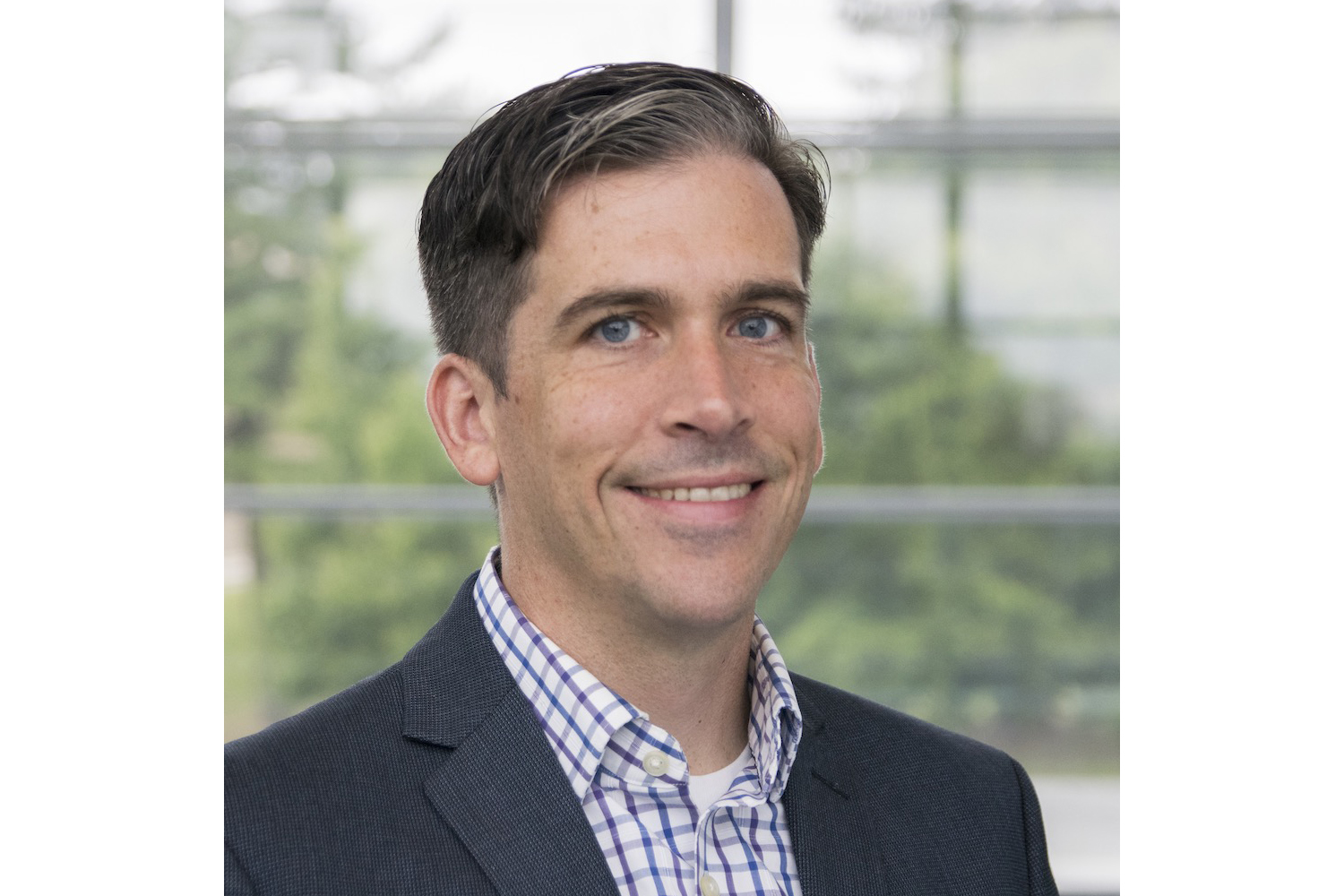
One regrettable aspect of learning-outcomes assessment is that, in our experience as teachers, we observe so much learning that doesn’t fit easily into predefined outcomes.
Learning is not always easily measured. It is often capricious, spontaneous, student-driven, hardly quantifiable. For many of us, this kind of learning is why we are here.
Thus, when we see data about how well our students are faring in our programs or General Education areas, we don’t always see ourselves or our work in it, so it does not resonate with us.
One semester, a student of mine completed a research project on the academic success of children of single parents. She investigated the relationship between her home life and her frustrating experiences in formal schooling. She learned that her challenges were not unique. She found her own experience mirrored back to her from ethnographies, studies, and personal essays: an older sibling and caretaker for whom school had become a low priority. She left the class with a deeper self-understanding, increased confidence, and a stronger commitment to success.
Some, but very little, of that growth could be measured on an outcomes-aligned essay rubric. Demonstration of research and critical thinking skills bumped up some criteria. But despite the student learning more than I could measure, the paper did not earn a high grade. Even after several drafts, it was wanting in organization, littered with citation issues, and at times, too digressive and unfocused, especially during passages of self-reflection.
When we’re not able to assess the actual learning that we observe, it risks becoming institutionally invisible. And direct assessment may sometimes seem ill-equipped for the task.
But as professionals, we are responsible for making meaningful decisions about what skills are essential. The manifestations of those hard-won decisions are the learning outcomes of our courses and our programs. Thus, we owe it to our students to measure them and to respond to those measurements.
Assessment is not grading, nor does it determine our performance as individual instructors. These are truisms. It is a sincere attempt—emphatically within our own control as faculty members—to understand how and how well learning is happening within our programs. It provides us with a rational, data-driven basis to implement change.
I feel best about assessment when I frame it as a promise: that as a collective we will pay attention to how well students achieve the goals we’ve set out for them and that we are committed to becoming more skillful at provoking that achievement. And despite even my own personal reservations—making a religion of quantification, managerial paper churn, efficiency models of education, implicit transactionality—it’s a commitment to each other, to our institution’s mission, and to our students.
But still, you may ask, my student who learned so much about herself: where did that learning go?
When we set standards and ask people to meet them, we necessarily exclude every other way a student can succeed from our areas of measurement, study, and interest. This is, perhaps, a burden of being professionals in charge of these kinds of decision-making. One way we can find out more about what students have learned beyond outcomes is to ask them.
Toward the end of each semester, along with investigating how well participants fared collectively on rubric criteria, I distribute a worksheet that lists our course learning outcomes. I ask students to identify an assignment that they think helped them get better at each of the skills. But I always leave one column blank and ask: What is one unexpected outcome of this course? What did you learn that isn’t on our list?
They tell me: “Language has been used against me.” “I’m not the bad writer I always believed I was.” “I just want someone to listen to me.”
As we write, revise, and evaluate success in our learning outcomes, we are defining and redefining within the context of our institution what learning is, and thus we should be extra aware of what we’re excluding. Those decisions have extremely high stakes: they concern exactly how we want to institutionalize individuals, what values we wish to impose upon them.
What will make assessment meaningful at every level is the difference it will make for our future students in enhancing the skills, qualities, and habits of mind they will develop under our guidance. It will gain even greater meaning when the process is shaped by faculty who know that some aptitudes hover beyond measurement.
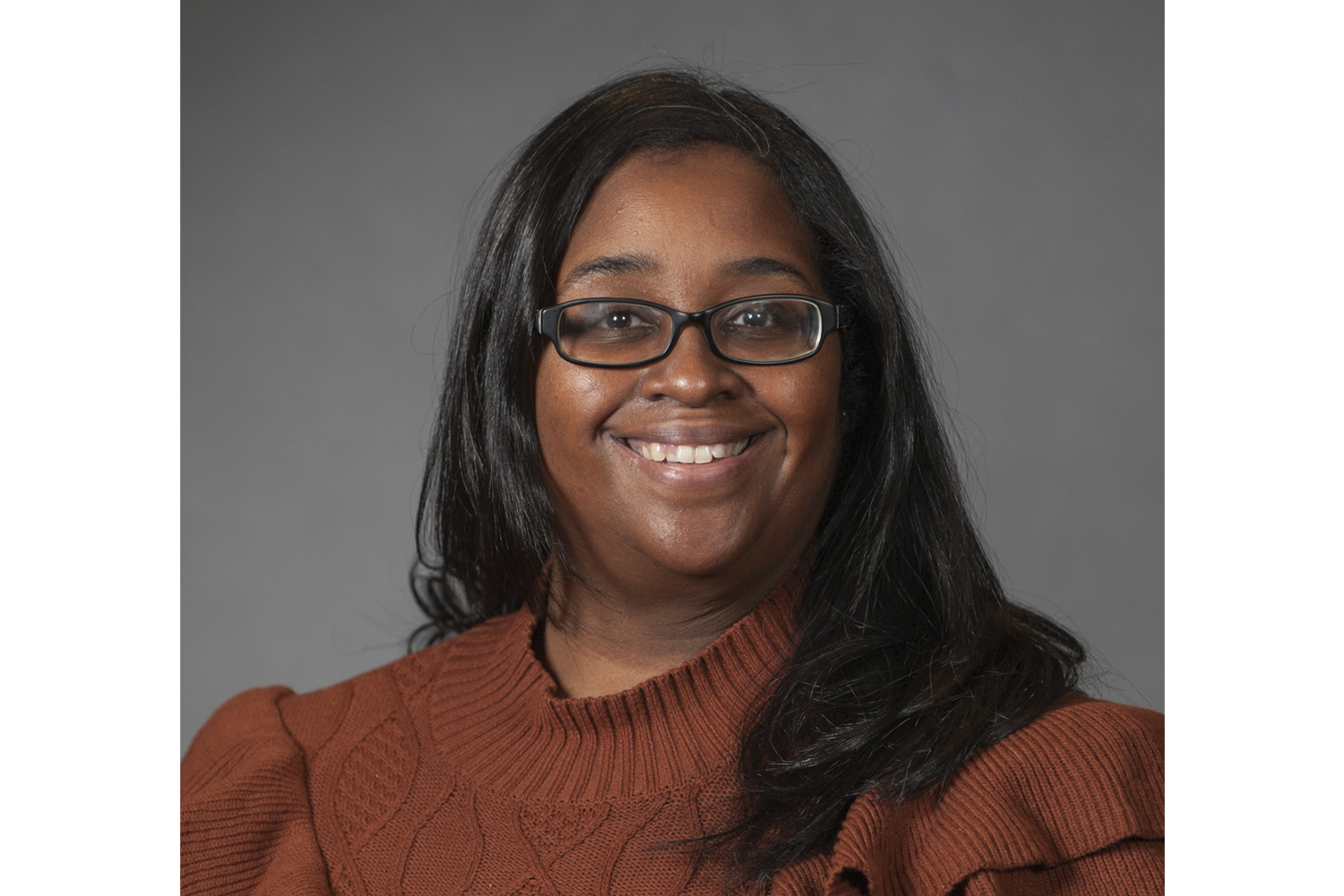
It’s Week 6, approaching Spring Break, and the mid-semester slump is in full effect. My 9 am class is only half full at 8:59; my students who were once chatterboxes are suddenly mute; and a growing number of students have no familiarity with the assigned readings we are discussing in class.
I struggle with what to do to change this trajectory and realize it’s not just the students, but I also don’t have the energy I did when the semester started. If this sounds familiar read on! I can’t promise all the answers but can share some strategies I have tried to revive fledgling student involvement in class discussions and activities.
Go back to the beginning
Take a few minutes to review important aspects of the course for example attendance policies or statements on AI use, grading requirements, and any upcoming major assignments. I also try to remind students of support services available to them on campus. Each semester I ask students to give advice to students who will take the class last semester. Midsemester is a great time to ask students to revisit that advice and choose one thing that might help them succeed moving forward. Offering a short reorientation to the course is helpful to all students especially those who might be shy or embarrassed to ask questions about class policies you’ve already covered.
Meta reflections on class performance
Mid-semester is also a great time to ask students to reflect on how they think they are performing in the course. I don’t have a whole lot of time to devote to this in class because by this point in the semester I am usually behind schedule in content coverage. However, I use an anonymous poll in class that asks students to identify how they think they are doing. This is a moment of honest reflection and I share student responses with the class in real time. It is helpful for students to take stock of how they are doing in the course, for me to see how students think they are doing, and for the entire class to see that they are often not alone in the challenges they are facing in class. Some interesting examples of meta reflection questions can be found here and here.
Social emotional check-in with students
Again, this does not have to be a long or time consuming practice. It could be a 2-minute anonymous freewriting exercise in class on index cards, an anonymous Mentimeter survey (my method of choice) or even asking students to post a thread in an anonymous class discussion board on Brightspace. Some of my students have shared anecdotally that knowing other students felt similar stresses made them feel better and less isolated. For a short bibliography of research on social emotional learning in higher education click here.
(Re)Introduce active learning strategies
At this point in the semester, I am looking toward the end and increasingly concerned about making sure we have covered all the material necessary for students to fulfill the rest of the course requirements. This attention to “catching up” sometimes makes me abandon the active learning strategies I employed early in in the semester. If you are looking to sharpen the active learning tools in your pedagogical toolbox (and sometimes add some new ones) sites like this might be helpful.
Connecting Through Conversation and Reflection:
The Center for Teaching and Learning hit the ground running this semester with its inaugural Student/Faculty Town Hall. It was a pleasure to partner with SUNY WCC students for this engaging and meaningful conversation, creating space for open dialogue and shared perspectives on the teaching and learning experience.
The WCC Reads Book Club is currently reading UnWorld: A Novel by Jayson Greene, a compelling work of fiction that invites readers to reflect on how technology shapes our sense of reality and our longing for authentic human connection. We came together for our first book discussion on January 29 via Zoom, where participants connected, shared thoughtful perspectives, and launched what promises to be a rich and engaging reading experience.
REFLECT Teaching and Learning Video Series
We are excited to share the launch of CTL’s new professional development initiative, “Reflect” Teaching and Learning Video Series:REFLECT: 5-Minute Practices for Teaching Excellence
If you’re interested in participating, please complete the interest form and sign up for one of the three available dates.This micro-video series highlights faculty, classroom, and teaching reflections, captured in short, practical videos that colleagues can use to reflect on their own teaching practices.
We are inviting teaching and non-teaching faculty across disciplines, and modalities, to share one teaching practice that has transformed their classroom.
What to expect:
• One 5-minute video
• A short reflective prompt (we will guide you through this!)
• Filmed in COMM Central’s Television Studio
Your participation allows you with an opportunity to:
• Share your teaching voice
• Inspire colleagues
• Contribute to a reflective teaching culture
• Add to your professional portfolio
Together, let’s reflect, pause, share, and grow together in our teaching and learning methods.
Reflection videos will be shared on the CTL website, offering faculty an opportunity to learn from colleagues and reflect on their teaching practices.
Upcoming CTL Professional Development:
Join us for engaging workshops and discussions offered on the third Wednesday of each month between 11:00 a.m. – 1:00 p.m., including, Student Parents Conversation, AI at WCC, WCC Reads, Assessment Workshop, and CTL’s Annual Teaching and Learning Symposium. The Faculty Development Advisory Committee has partnered with CTL to host its 2nd Annual Open Classroom Week, Mach 2-6.
View Upcoming CTL Events HereThe Center for Teaching and Learning hosted numerous engaging professional development workshops in September with a special professional development workshop: In Conversation with Dr. Morest, kicked off the fall programming. CTL hosted an interview with Dr. Vanessa Morest, SUNY WCC Provost/Vice President of Academic Affairs. The conversation highlighted current opportunities and challenges in higher education and explored ways in which faculty and staff can continue to contribute to student success
SUNY is requiring that all digital content and tools be digitally accessibility by April 2026. To prepare faculty, CTL’s professional development programming introduced the college campus to two new Digital Access Initiatives: “Access Champions: Digital Accessibility Online,” a 15-hour online self-paced professional development course on basic digital accessibility. Offered in the fall 2025, and spring 2026 semesters, the course introduced faculty to essential practices for making their course materials—documents, presentations, and Brightspace online content—accessible to all students.
In partnership with Online Education, CTL introduced its second digital access initiative, “Digital Accessibility Office Hours and Workshops,” designed specifically to help faculty create digital accessible materials.
October’s professional development programming included the continuation of the Mindfulness Meditations, which offered four themed sessions, October – December. Themes included: Retaining our Summer Glow, Embracing Grief, Loss, & Sorrow, Reflecting on Challenging Emotions, and Stillness. Each theme is connected to our work and personal growth.
CTL’s professional development programming for November included: “Teaching in a Politically Charged Moment,” a timely, virtual professional development workshop that offered strategies and insights for teaching effectively during politically sensitive times, including opportunities to create supportive learning environments. Colleagues discussed challenges and opportunities of teaching in a politically charged world and shared strategies to connect with students through dialogue and support that ensures a sense of belonging and enhances student learning. We wish to thank Professors Carla Dubose-Simmons, Elizabeth Miller, Helen O’Brien and Director, Department of Mental Health & Office of Student Support Services, Patrick Sheehan for contributing to such an important conversation.
Teaching In a Politically Charged Moment
The Action Research Collaboration (ARC) Faculty Presentations were also held in November and covered disciplines in Mathematics to Nutrition. Participants explored a specific issue in their classroom, brainstorming, implementing, and testing solutions to enhance student learning. Thank you, Sarah Belknap, Carolyn Peguero-Spencer, Lizette Martinez, Sofia Rafi, Hong Zhao, and Alexis Del Sol, for sharing your expertise with the college community.
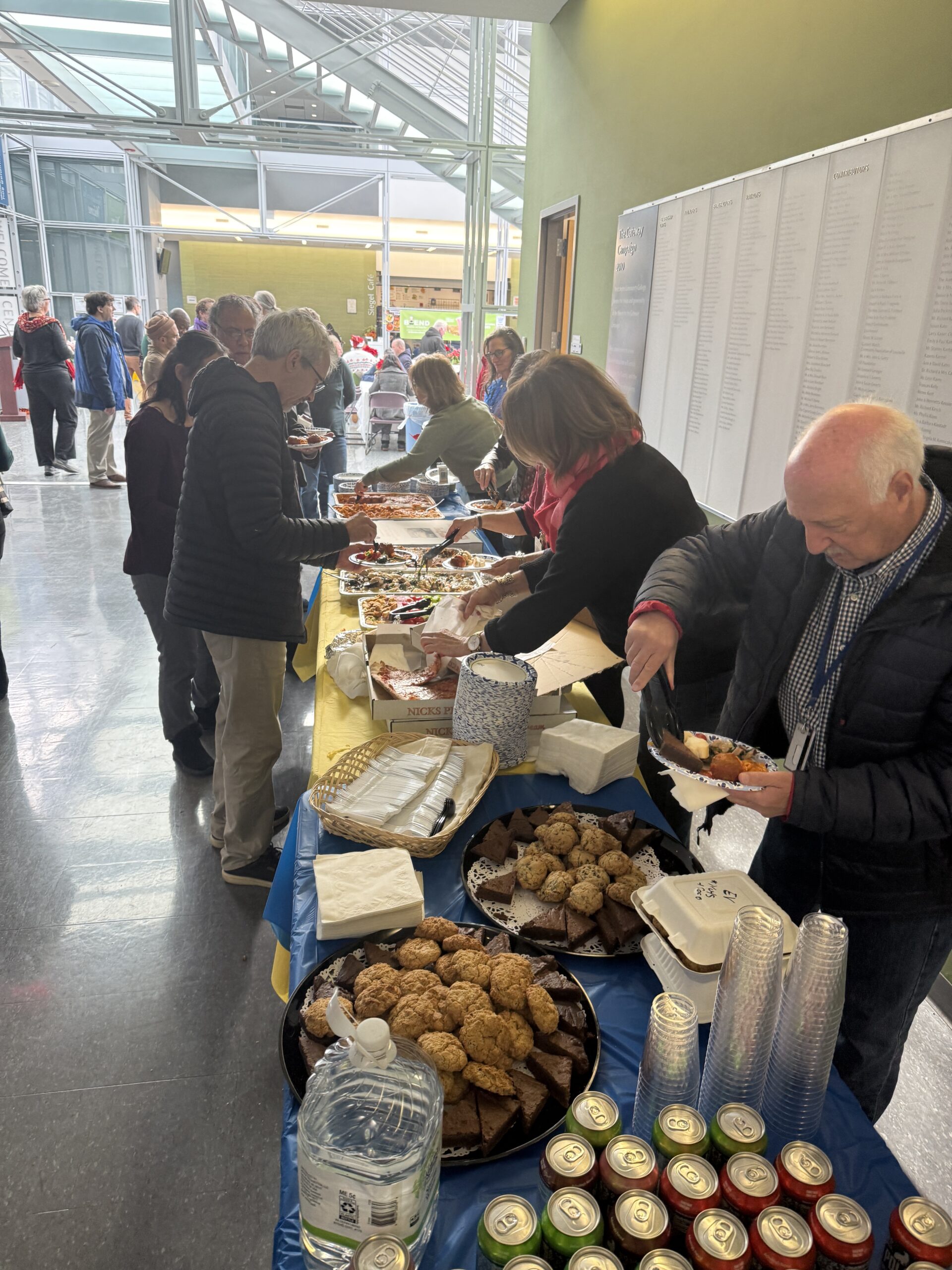
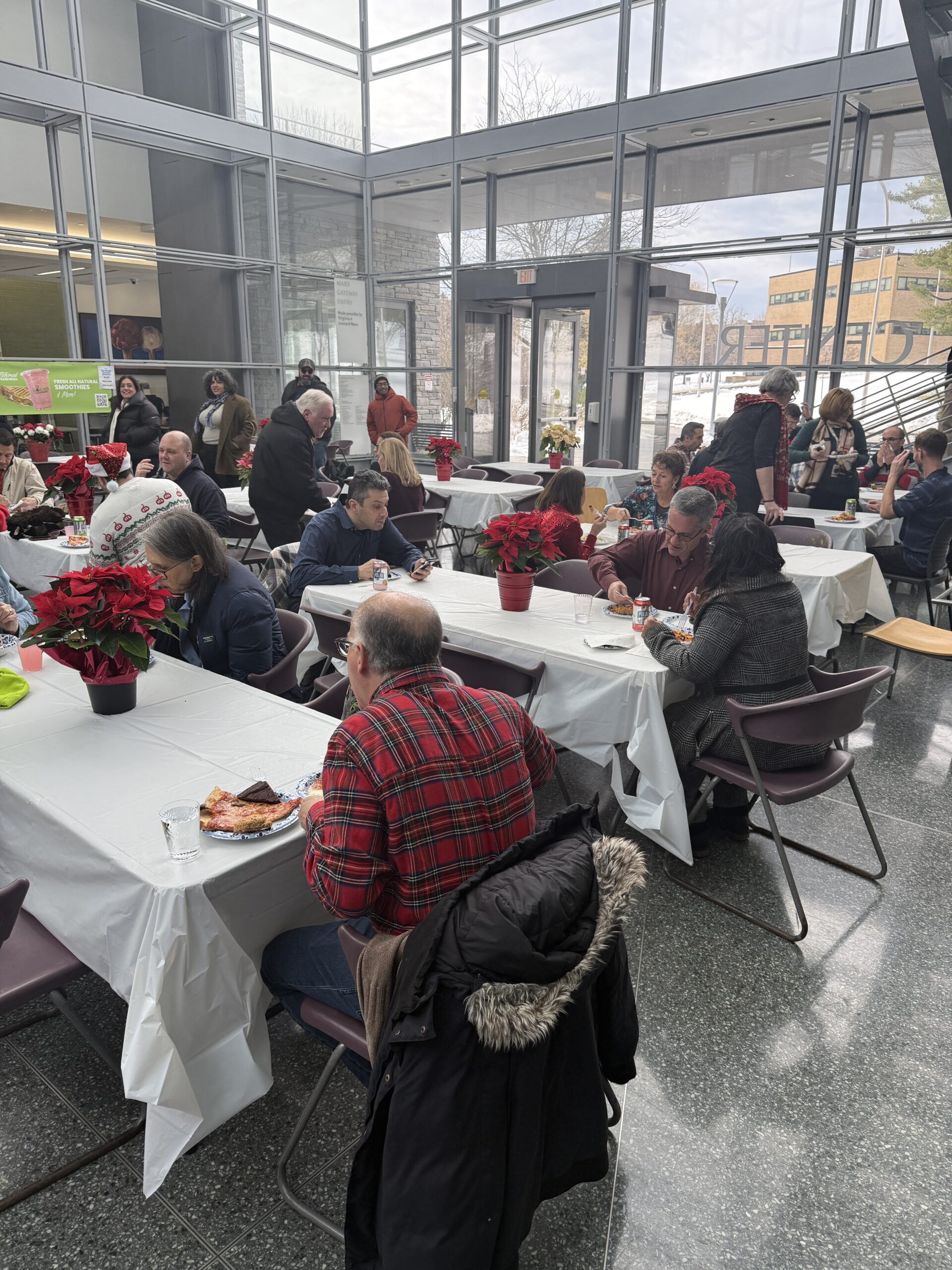
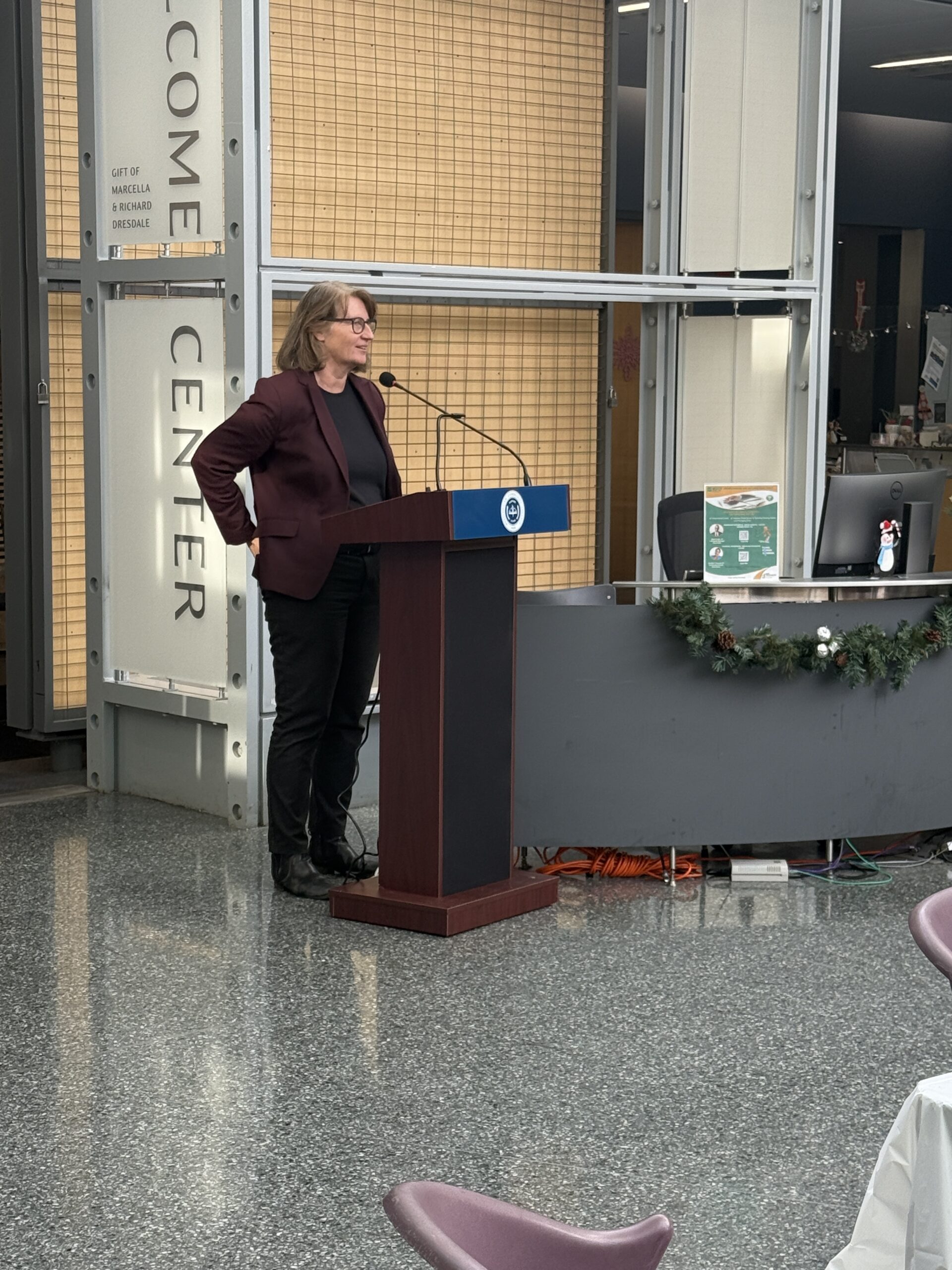
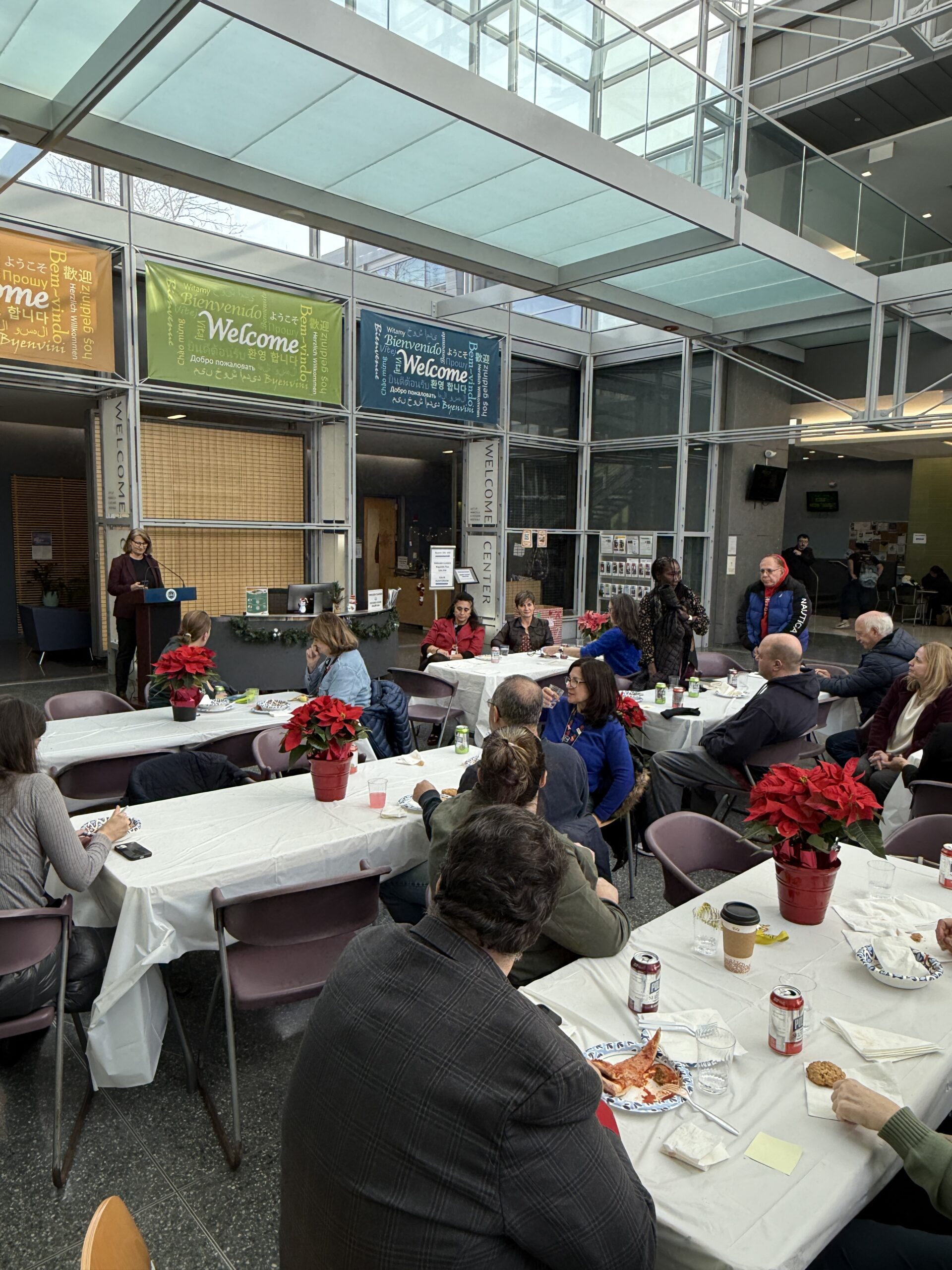
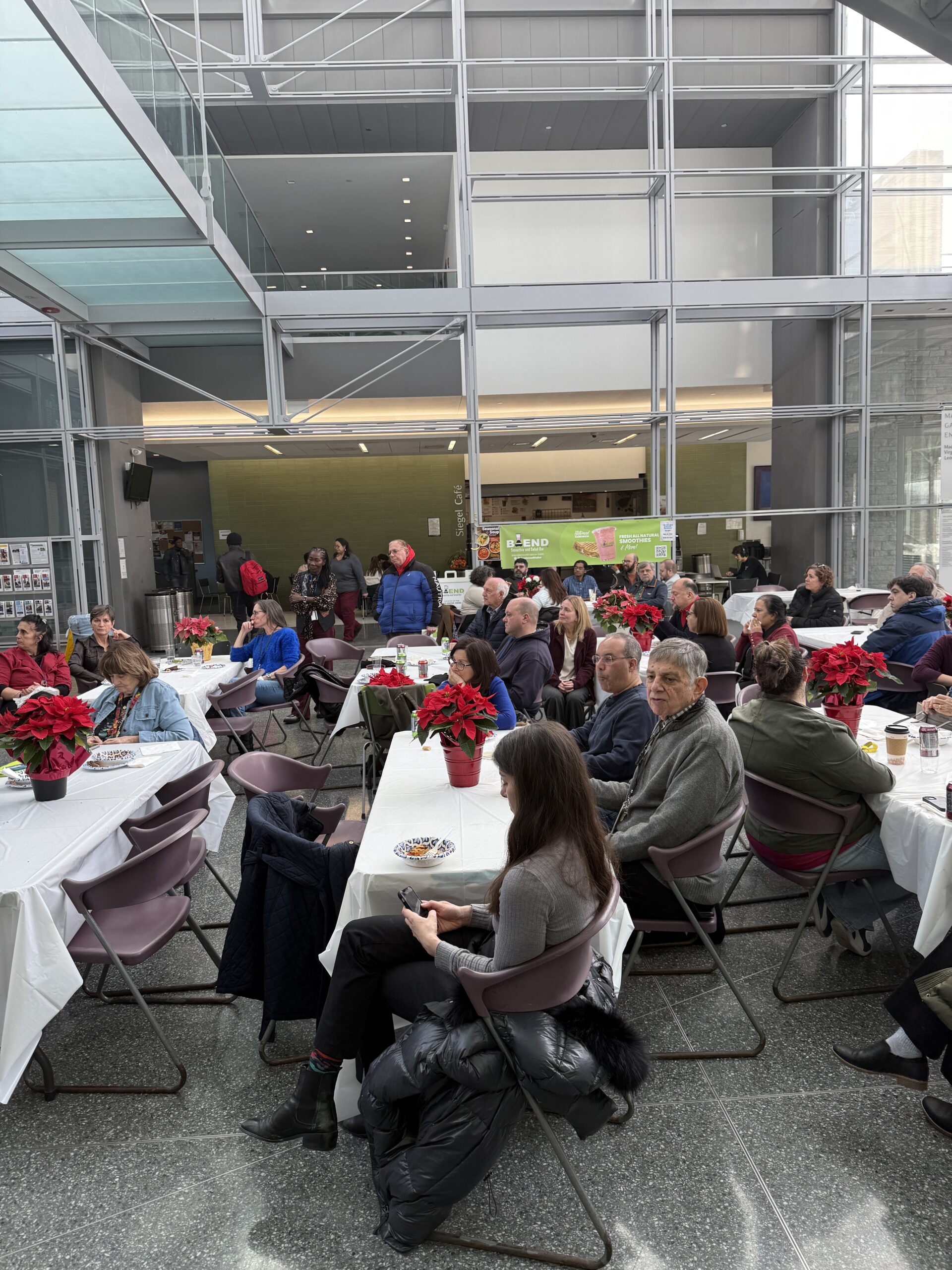
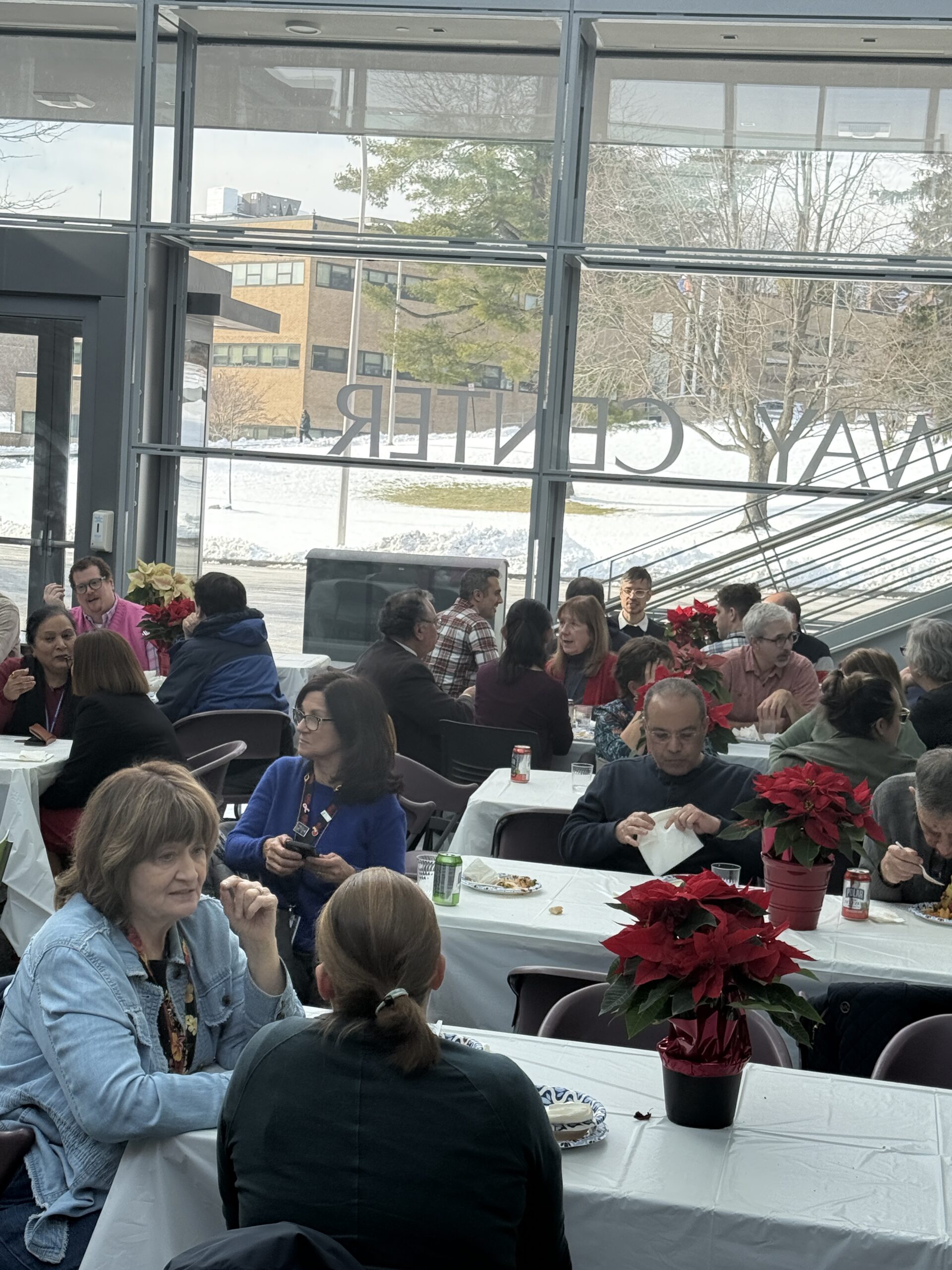
CTL’s fall programming concluded with a partnership with Academic Affairs to host the Faculty Holiday Party.
Connect with CTL:
We welcome your ideas and contributions. If you are interested in contributing to the Center for Teaching and Learning Newsletter or have a suggestion for a professional development workshop, please email us at: [email protected].
Share: