CTL – Fall 2026 Newsletter

Greetings Colleagues!
Welcome to the Fall 2026 issue of the Center for Teaching and Learning newsletter.
President Dr. Miles and Vice President of Academic Affairs and Provost Dr. Morest, together with the Center for Teaching and Learning, celebrated eleven new faculty during CTL’s New and Junior Faculty Meet & Greet reception held on the front lawn of the Gateway Building. at SUNY Westchester Community College.
It was a beautiful day to connect with our colleagues and college leadership.
Join us as we welcome the following New Faculty to SUNY Westchester Community College.| New Faculty Name | Subject | Academic Department |
| Matthew Cass | Physics and Physical Sci. | Physical Science |
| Alexandra MacDonald | Physical Education | Health and Human Performance |
| Georgia Kamm | Librarian – Literacy- | Library |
| Matthew Sullivan | Cybersecurity | Computer Information Technology |
| Michael Lombardi | Business | Business |
| Stefanie Archer | Accounting | Accounting |
| Christin Moronta | Nursing | Nursing |
| Ricardo Gutiérre | Mechanical Engineering | Engineering |
| Christel Araujo | Fashion Design | Business |
| Tarik Etaeib | Computer Science | Computer Science |
As we begin the Fall semester, we remain engaged in meaningful conversations and committed to continuous growth in teaching and learning. CTL supports your professional development by providing opportunities for reflection and connection throughout the semester.
We wish you a productive semester!
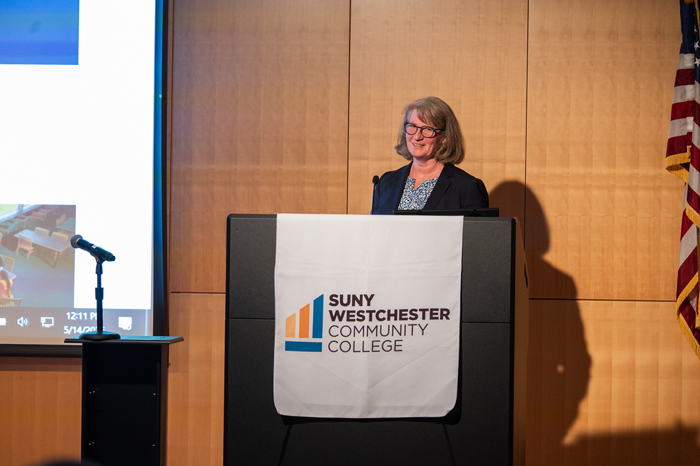
I am very pleased to join the Center for Teaching and Learning Co-Directors in welcoming you to the 2026–27 academic year. We start the year with strong enrollment and full classes both in person and online, a testament to the quality of our teaching. No other organization within our academic community is better positioned to support faculty and students as we navigate the changes and developments taking place in the world around us. Our four CTL Co-Directors bring unique areas of expertise, combined with decades of teaching experience, to offer a wide range of opportunities for learning, collaboration, and connection. Many of the workshops and events are held remotely, making it easy to participate from wherever you are. Participating in and collaborating with the CTL is about learning from colleagues, sharing your own knowledge and experience, and, most importantly, connecting with other faculty. From support for new faculty in their first year, to large-scale in-person events, to online conversations, workshops, and activities, we hope that every faculty member at WCC will find a way to connect, learn, and contribute.
I look forward to seeing you at CTL events throughout the year!
Vanessa MorestVice President of Academic Affairs and Provost
Contributors:
In this issue, you will learn about best practices and gain insights and strategies to support continuous growth and enrich teaching and learning across our campus community. We extend our thanks to our contributors for sharing their reflections on best practices, as well as on the importance of student and faculty well-being.
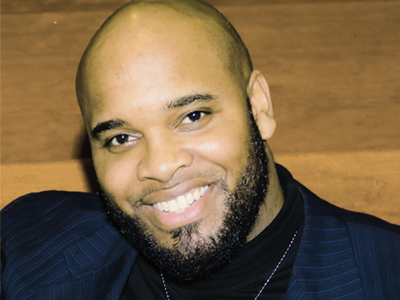
I consider myself a lifelong student. Life has taught me that we never stop learning. Every experience, person, and classroom provides an opportunity to learn something new. As educators, we have the opportunity not only to teach our students, but also to learn from them.
My understanding of the importance of student voice began before I became a professor. During middle and high school, there were times when I lacked confidence and questioned whether my voice mattered. At times, it felt like being trapped in a prison of insignificance. I wanted to make a meaningful contribution to society, but I was not always sure that what I had to say would be heard or valued.
My experience as a student at Westchester Community College (WCC) helped change that perspective. I was surrounded by inspiration, dreams, potential, and support. I had opportunities to develop my voice, build confidence, and recognize that I had something meaningful to contribute.
Today, I have the privilege of returning to WCC as a professor. The institution that helped me develop my own voice now gives me the opportunity to help students from all backgrounds develop theirs. This journey has shaped my teaching philosophy: creating a classroom where all voices and perspectives are valued, respected, and heard.
Listening as a Teaching Practice
One of the most important ways I encourage student voice is through active listening. When a student speaks, I intentionally use eye contact, attentive posture, verbal and nonverbal communication, and thoughtful responses to demonstrate that I am engaged. These actions communicate a simple but powerful message: What you are saying matters.
I also ask questions such as, “What do you think?” and “How do you see this issue?” These questions encourage students to recognize that they have something meaningful to contribute.
Every student enters the classroom with unique experiences, perspectives, challenges, strengths, and aspirations. When faculty create opportunities for students to share these perspectives, the classroom becomes a richer and more meaningful learning environment.
Listening also allows me to better understand how students are experiencing the classroom and the material. Their questions, comments, and perspectives can provide insights that may not be apparent from a syllabus, textbook, or lecture. In this way, listening becomes more than a communication technique; it becomes an important teaching practice.
Teaching Students to Use Their Voices Appropriately and Effectively
While encouraging students to use their voices is important, educators also have a responsibility to teach students how to use those voices appropriately and effectively.
Having a voice means more than simply expressing an opinion. Effective communication requires students to understand their audience, choose their words carefully, listen to others, support their perspectives, and communicate respectfully—even when they disagree.
In my classroom, I encourage students to express their thoughts, ask questions, challenge ideas, and engage in meaningful dialogue. At the same time, they must understand that their right to express themselves exists alongside their responsibility to respect the voices of others.
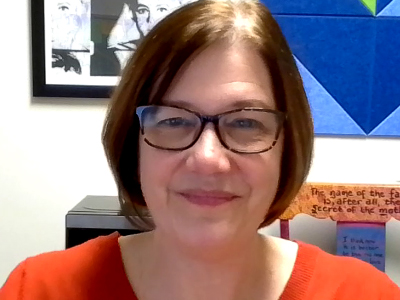
As faculty, we are often the first responders when students are in crisis. We may be the first to notice that a student is sick, frustrated, withdrawn, or anxious. A simple conversation about attendance can unexpectedly become a disclosure about food insecurity, an upcoming citizenship hearing, or the threat of eviction.
As committed educators, we work hard to develop the skills needed to support our students. We learn about inclusive teaching, culturally responsive pedagogy, crisis intervention, and how to be effective allies. We want to be the faculty members our students can turn to when they need help.
But the work of supporting students can also become very heavy. How can we care for our students while avoiding empathy fatigue and protecting our own emotional and psychological well-being?
As if this work were not demanding enough, we are also navigating attacks on academia and the value of higher education and students who arrive and less prepared and with expectations shaped by a consumer mentality.
While we were gathered at Faculty Convocation to celebrate one another and our contributions to our students, an assault occurred in front of the Student Center. In the hours that followed, I received a number of texts and emails from faculty in my department. Every single one was focused on the students:
I hope my students weren’t hurt.
One of my students has anxiety. Is it okay for me to take them to Mental Health Services myself?
What should I tell my students to reassure them?
As I left campus, I walked past a staff member cleaning up the aftermath of the violence, a disturbing sight to be sure. I began to worry about the students who had missed my class—had they been involved in or witnessed the event? It didn’t occur to me until the next day to send a message to a colleague saying, “I’m so freaked out. Are you?” That realization made me think about how easily we can forget to check in with one another.
In April, CTL and the FDAC offered a webinar that focused on faculty well-being, led by three licensed therapists from The Counseling Center in Bronxville. Some of their advice has stayed with me as I’ve moved into the fullness of Fall:
- Connect with colleagues beyond teaching and committee work. Take a walk around campus together. Establish a standing brown-bag lunch. Invite colleagues from your department to meet for a drink or coffee off-campus. These connections can provide a sense of community and remind us that we are not navigating our challenges alone.
- Make time for activities that support your physical and emotional well-being, such as chair yoga, meditation, or other forms of movement.
- Take advantage of the resources available to you. Use the fitness center, attend the mindful meditation classes offered through CTL, take advantage of the free Calm app subscription available through WCCFT union membership, and remember that the Employee Assistance Program is available to all of us.
- Remember that not every crisis is a fire. Institutions can become highly reactive to challenges—from accreditation and enrollment fluctuations to new SUNY mandates—while simultaneously being slow to change. We do not have to respond to institutional urgency as though it were our personal emergency. Taking some time to care for yourself will not cause the institution to fall apart.
- Support students while maintaining boundaries. We can be compassionate and responsive while also making clear that students should not expect immediate responses to emails, texts, or phone calls at all hours or throughout the weekend.
- Pay attention to your own well-being. Notice changes in your sleep, your relationships, your energy, or your interest in activities you normally enjoy. If you find yourself increasingly withdrawn or overwhelmed, seek additional support. The Employee Assistance Program is a good place to start.
Finally, faculty well-being needs to remain an ongoing institutional priority. This work should not depend on an occasional professional-development event. We can continue to build opportunities for connection and reflection through CTL programming and departmental meeting agendas. A cross-disciplinary faculty well-being committee could help coordinate events, identify resources, and create opportunities to support one another.
Caring for our students is an important part of what we do—but caring for ourselves and for one another is also part of sustaining that work. Faculty well-being is not separate from student success. It is one of the conditions that makes meaningful, compassionate teaching possible.
Student mental health concerns at WCC mirror a global crisis in higher education, with our community facing unprecedented levels of student distress and diagnosis. Crucial to our awareness is that this is a shared challenge rather than an isolated student issue. A 2023 survey revealed that faculty and staff report “nearly matching rates of severe depression, anxiety and stress” to those of college students (National Education Association [NEA], 2024). To support our educators, CTL continues to offer programming and professional development tailored to address and meet the needs of our faculty in the classroom. We are excited to launch this series of articles exploring mental health and well-being.
Our first conversation was with Pat Sheehan, Director of the Department of Mental Health & Office of Student Support Services. When asked about the most pressing issues for the Fall 2026 WCC student body, Sheehan noted that due the richness and diversity of our students it is difficult to isolate just one or two concerns. Our student body spans both traditional (18-24 y.o) and non-traditional students—which has been recently boosted by the SUNY RECONNECT program—who vary widely in age, lived experiences, ability, developmental stage, and basic needs insecurity. These distinct realities are critical to understand, in light of recent research which shows that “community college students face more barriers to resources and care than students at four-year colleges and universities and that they are less likely to seek out and access services related to mental health” (Redding, 2026, p. 85).
We spoke about one of the “real struggles” for our students – their feelings and experience around connecting with others. Our students face a profound struggle with social connection, often battling since COVID with loneliness and feeling unprepared to navigate the uncertainty of the college classroom and wider community. They may be operating without clear guideposts on how to build and sustain relationships, they may be encumbered by the deleterious effects of social media: all of which impact their ability to thrive both academically and within shared community spaces has been challenging.
Another challenge involved students’ accessing support for success in post-secondary education. This transition is especially critical for neurodivergent learners, who often lose the structured support systems that they relied on in high school. To address this, we must help students build the essential skills needed for both personal and academic success as well as unlearning or evolving from skills that are no longer helpful or adaptive to the college classroom.
One of the goals is for students to be engaged and connected in the classroom, this is especially resonant for students who have experienced or are experiencing adverse or traumatic life events (including exposure to domestic or community violence, loss/grief, basic needs insecurity – food insecurity, unstable housing, poverty). “Especially since the pandemic, higher education institutions report ever-increasing awareness of the prevalence and impact of trauma on health, well-being, and academic functioning (persistence and completion)” Tietgen, et al., 2026 Community College Journal of Research and Practice p. 1).
Research offers is that when the students’ coping/ability exceeds their experience of stress or overwhelm they may become dysregulated which can lead to hyperarousal (revved up and anxious) or hypo arousal (shut down and disconnected) Hypoarousal for college students can be observed as emotional numbness, brain fog, apathy, dissociation, chronic absences, difficulty retaining information.
Our interview ended by exploring the unique challenges that faculty are facing as they are experiencing firsthand students concerns and issues. Pat referenced the Healthy Mind Study, most recently conducted with WCC students in the 2026 Spring semester, which found that in a 4 week span, 74% of students reported that their academic functioning was impaired at least 1 day because of their mental health and 20% reported their academic functioning was impaired for 6 or more days because of mental health challenges. Pat highlighted the challenge of providing an empathetic and accommodating space while also holding students to academic requirements.
As faculty are interacting regularly with students they are in unique and challenging situations regarding how best to intervene. Some may feel the need to be all things to our students and are subsequently left feeling overextended or burnt out. While others may feel it is not in their comfort level or wheelhouse. It is essential for faculty to assess what their capacities and needs are, engage in regular self-care (including disconnecting from work when possible), and remind themselves of their roles on campus.
Pat stated that it is okay to gently let a student know that you are not able to provide the support they may need, but to let them know of the resources on-campus that can provide that support and offer to help them connect with those resources. Lastly, Pat emphasized the impact that building community among colleagues can have. Connecting with others for support can be an effective way to manage stress and reduce feelings of isolation, which often can exacerbate challenges.
TIPS
- Consider our own capacity and create and sustain healthy boundaries.
- Engage in training that add to your comfort and awareness such as Mental Health First Aid training
- Take care of ourselves and interact with each other….
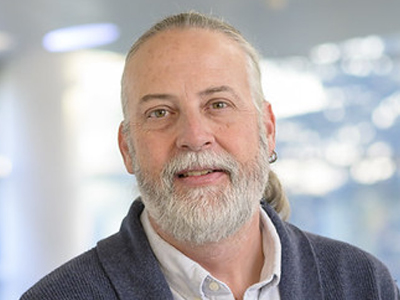
Last weekend, several AI company CEOs agreed on the need for a slowdown of AI development to avoid catastrophic outcomes. One researcher who resigned from his position warned that AI might wipe out all of humanity! Combine this with the propensity for some models to “escape” and hack other companies, and it is quite a frightening forecast of the future. Of course, we don’t have to wait for some apocalyptic future to see the impact that even the less advanced mainstream AI models are already having. Educators are ringing the alarm bells about effects on literacy and critical thinking when students rely on AI to do their schoolwork. Many teachers have even reverted to paper-pencil testing and assignments, and New York City has declared a moratorium on AI use in elementary and middle schools. WCC has convened a college-wide committee to establish policy and process related to AI. You will see several items come out of this committee this year. In this context, what does it mean to have academic literacy in 2026 and beyond? Just as information literacy became a major part of literacy curricula when the Internet was popularized, it is now necessary to support AI literacy while continuing to develop critical thinking, reading, and writing skills.
A large proportion of incoming students at the College are developing academic skills, including reading comprehension, writing, and critical thinking. We provide many resources and courses aimed at developing these skills in our students and moving them toward deeper study. Relying heavily on AI tools during this stage can have a severe impact on development and has probably contributed to some students being behind in the first place. The problem is that if a student asks an AI chatbot to complete an assignment, it will happily oblige. Maybe that student’s professor will spot the usage, and maybe not. What is clear is that the student did not learn from the assignment. This is the scenario we want to avoid, and it pays to have this conversation with your students. Recent surveys have shown that they are as concerned about the ethical and development effects of AI use as we are as teachers, so they’re likely to be receptive to your guidance.
At the same time, AI tools have some potential for education when used deliberately for mastery of a subject rather than for completing assignments. A generic AI chatbot can be a tireless study partner who will quiz students, explain concepts, and guide them to an understanding of a topic. In fact, some faculty, myself included, have created specialized AI “agents” that are trained on the content of a particular course and instructed to act as a tutor for students within the parameters of the course while refusing to complete any actual assignments for them. These simple-to-train agents have all of the capabilities of a standard tool but are constrained in how they interact with students by the instructions of the professor. While I would never argue that this could be better than a human study partner, it is a good stand-in when one isn’t available.
In addition, as a research tool, AI excels. Using natural language makes finding appropriate sources much more effective than in the past. This new capability has the potential to help students research more deeply and focus more precisely on a subject, leading to enhanced learning. On the other hand, close attention must be paid to the biases of the AI tool itself. Human eyes must review and verify anything the AI produces. Here again, the temptation is to accept AI’s input without critical analysis, especially if you’re a stressed out student. As teachers, we should guide our students in this process and help them understand how to retain voice and ownership over their work while using the tools that can benefit them.
It sounds naive to compare AI to earlier technologies and argue that since the invention of didn’t result in catastrophe, then AI won’t either, so I won’t make that case here. However, we do need to decide not just how we are going to advise students to use AI, but also how they should NOT use AI, perhaps to avoid a catastrophe. Rather than ask AI to do things for them, we should advise students and show them how to use it as a tool to guide development, delve deeply, and learn effectively. We’ve all heard that basic AI literacy is now a prerequisite for many jobs, but we must be careful not to conflate literacy with dependence. In fact, I would argue that AI literacy necessarily includes an understanding of how to avoid dependence.
REFLECT Teaching and Learning Video Series
Reflect: Teaching and Learning Video Series launched in spring 2026 and highlights faculty reflections on teaching, learning, and student engagement through 5-minute best practice videos. Each video features a faculty member sharing a teaching practice, strategy, framework or insight that has positively influenced student experiences.
Our three reflections are presented by:
- Domenick Gasperro, E-Resources/Acquisitions and Inter Library Loan
- Lisa Wilkerson, Adjunct ESL Teacher, ESL Institute
- Professor Sue Carpenter, PhD, Workforce Development Program
Upcoming CTL Professional Development:
Join us for engaging workshops and discussions offered on the third Wednesday of each month between 11:00 a.m. – 1:00 p.m., including, In Conversation: Dr. Morest, Meet Them Where They’re At: Best Practices for Working with Neurodivergent Students, Cyber Café, and other engaging professional development workshops.
View Upcoming CTL Events Here
Connect with CTL:
We welcome your ideas and contributions. If you are interested in contributing to the Center for Teaching and Learning Newsletter or have a suggestion for a professional development workshop, please email us at: centerforteachingandlearning@sunywcc.edu.
Share: